Ion-Pairing HPLC: Using Interfacial Chemistry to Separate Difficult Ionic Compounds
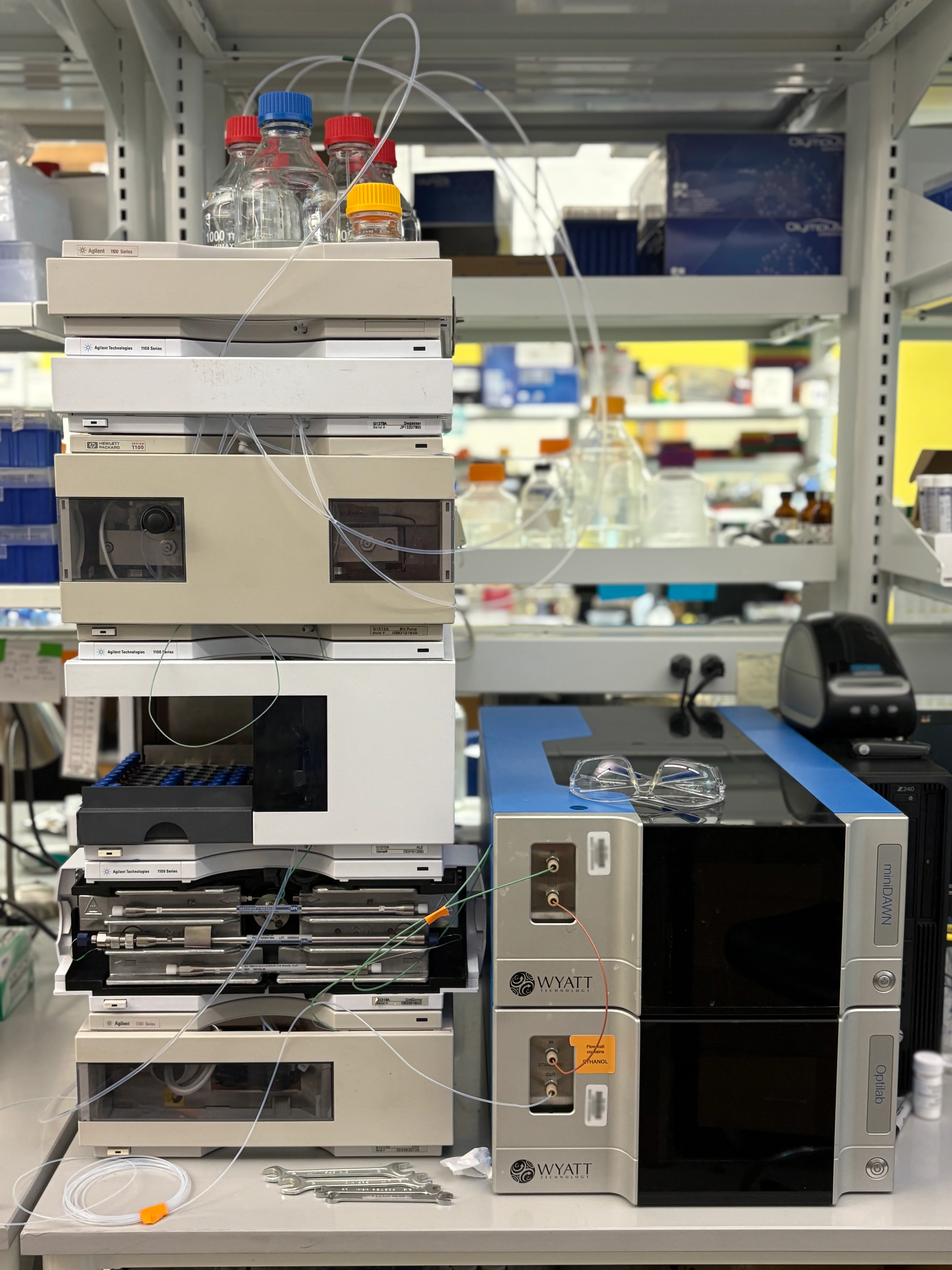
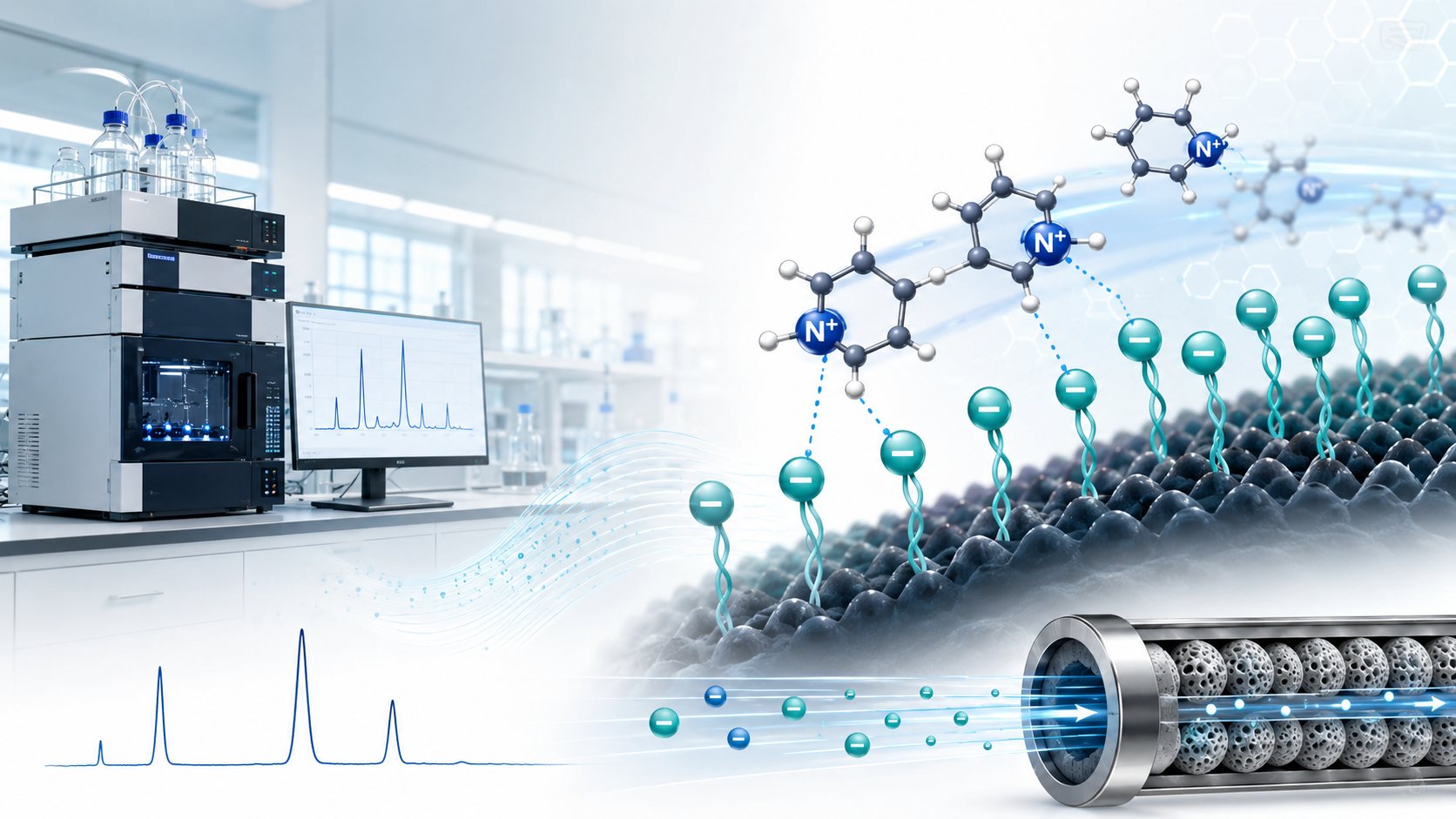
Ion-pairing HPLC is a powerful strategy for analyzing highly polar or permanently charged compounds that are difficult to retain by conventional reversed-phase methods. This article explains the fundamentals of ion-pairing on C18 columns, using diquat as a practical example of how interfacial chemistry, mobile-phase design, and method control can turn a challenging ionic analyte into reliable, decision-ready data.
Read More →